
How Do You Keep a House Clean With Pets and Kids?

Last Updated: November 17, 2026
Quick Summary
Maintaining a clean home with pets and kids works best as a set of small daily habits, not a weekly marathon, aiming for hygienic rather than spotless. Anchor two 15-minute resets to your morning and evening routines, and split tasks into daily, weekly and monthly lists. Spend your limited time where mess builds fastest: kitchens and entryways.
Aim for 15 minutes of cleaning in the morning and 15 in the evening.
Sweep hard floors before vacuuming so hair does not scatter into corners.
Work in one direction on carpet with slow passes, overlapping by half a head width.
Kitchens and entryways build mess fastest in homes with pets and kids.
Wash pet bedding weekly so hair does not transfer back to floors.
Tired of chasing pet hair and toys?
IMAD Cleaning offers tailored home cleaning for busy families with pets and kids.
Table of Contents
Why a Clean Home With Pets and Kids Is a Routine, Not a Deep Clean
Maintaining a clean home with pets and kids works best as a set of small daily habits, not a weekly marathon.
Families who clean in short bursts every day tend to stay ahead of the mess.
Hygienic cleaning means controlling the things that actually affect health and comfort: pet dander, tracked-in dirt, food residue, damp spots and odours.
Aiming for Hygienic, Not Spotless
Most people set the wrong target. They aim for a magazine-clean house and give up when real life gets in the way.
A better target is simple:
Floors free of loose hair and crumbs
Surfaces wiped where food is handled
Pet bedding and toys washed on a schedule
That list is achievable. A spotless home with toddlers and a shedding dog is not.
The Australian Government Department of Health advice on healthy homes notes that good ventilation and damp control support healthier indoor environments.
The Daily Cleaning Routine for Busy Families That Actually Sticks
The daily cleaning routine for busy families that actually sticks is short, repeatable and tied to moments you already have. Two short resets beat one long session.
The trick is anchoring cleaning to existing habits. You already get up, make breakfast and get everyone out the door. Attach a task to each of those moments and it stops feeling like extra work.
A 15-Minute Morning and Evening Reset
Morning reset (15 minutes):
Make beds as each person gets up
Wipe the kitchen bench after breakfast
Sweep or quick-vacuum the main walkway
Evening reset (15 minutes):
Clear toys into one basket and one spot
Wipe the dining table and highchair
Quick pass over floors in the busiest rooms
That is it. No scrubbing, no deep work. The point is to stop mess from settling. Busy working parents who want a fuller version of this can follow cleaning services for working families for a tailored plan.
Building a Cleaning Schedule for Families With Pets
A cleaning schedule for families with pets should match the mess, not the calendar. Pets add hair, dander, muddy paws and odour.
A common approach is to split tasks into daily, weekly and monthly lists.
Frequency | Tasks | Who |
Daily | Floors in main rooms, benches, pet bowls, bins | Adults |
Weekly | Vacuum all rooms, mop hard floors, wash pet bedding, change sheets | Whole household |
Fortnightly | Wipe skirting boards, clean under furniture, wash toys | Adults and older kids |
Monthly | Wash curtains or blinds, clean oven, deep-clean pet areas | Adults |
The mistake most families make is putting too much on the weekly list. Keep it short.
Pet Hair Removal From Floors and Furniture Without the Daily Battle
Pet hair removal from floors and furniture gets easier when you change tools and technique, not effort. Hair behaves differently on carpet, hard floor, upholstery and bedding, so a single method will not work everywhere.

Why Hair Clings, and What Actually Lifts It
Pet hair can tangle into carpet fibres and fabric weaves. Back-and-forth strokes can push hair deeper into the pile, while a slow, single-direction pass with suction tends to lift it.
A rubber squeegee, a damp rubber glove or a rubber-bristled brush can help lift hair from fabric. Use short, firm pulls in one direction, then collect the gathered hair by hand or with a vacuum.
Hard Floors: Sweep First, Then Vacuum
On timber, tile and vinyl, loose hair scatters when you vacuum directly. A quick sweep or a dry microfibre mop first gathers the bulk into one spot, so the vacuum does not blow hair into corners.
Watch out: a spinning brush bar on hard floors can fling hair and grit across the room and scratch softer flooring, so switch it off or use a dedicated hard-floor head.
Carpet and Rugs: One Direction, Slow Passes
Work in one direction on carpet. Back-and-forth strokes push hair deeper. A slow, single-direction pass pulls it up. Overlap each pass by about half a head width so you do not leave stripes of hair between lanes. For embedded hair, a rubber broom or a carpet rake before vacuuming loosens the pile so the vacuum can lift more in one go.
Upholstery and Beds: Friction and Washable Layers
For furniture, keep a lint roller or rubber brush near the couch. A quick pass before guests arrive takes a minute. Washable throws on the couch and chairs catch most of the hair and go straight in the machine. For mattresses and pet bedding, vacuum with an upholstery tool, then wash covers on the hottest setting the fabric allows.
A Tool Kit That Covers Every Surface
A cordless vacuum with a good filter for daily high-traffic paths
A rubber squeegee or rubber glove for fabric and short-pile rugs
A carpet rake or rubber broom for embedded hair
Habits That Stop the Daily Battle
Brush pets outside or in one room, not on the couch
Keep a doormat at every entry to catch muddy paws
Vacuum high-traffic paths daily, not the whole house
A vacuum with a good filter matters as much as suction, since fine dander can pass through poor filters and settle again. Empty and rinse filters on the schedule the manufacturer sets. If allergies or dander are a concern, deep cleaning for allergy relief covers the extra steps worth taking.
Pet-Safe Cleaning Products for Homes With Toddlers and Dogs
Pet-safe cleaning products are those that avoid harsh residues kids and animals can ingest or absorb. The safest approach is to use the mildest product that does the job, rinse surfaces that pets and toddlers touch, and store everything locked away.
What to Check on the Label
Read the label before you buy. Look for:
Clear dilution instructions and never use more than directed
Warnings about pets or children staying off treated surfaces
"Rinse required" notes on floors and benches
Avoid mixing products. Bleach and ammonia-based cleaners create dangerous fumes when combined. Keep pets and toddlers out of the room while floors dry.
If allergies or dander are a concern, deep cleaning for allergy relief covers the extra steps worth taking.
Room-by-Room Priorities: Where Mess Builds Up Fastest
Kitchens and entryways build mess fastest in homes with pets and kids. Both are high-traffic, high-spill zones. Bathrooms and pet sleeping areas come next because damp and hair collect there. Bedrooms are usually the slowest to get messy. A room-by-room plan turns broad advice into something you can actually apply, because each room has different hygiene priorities and different risks for toddlers and pets.
Prioritise in this order:
Kitchen: Food Safety First
Benches, floors, bin, pet bowls and the splash zone around the bin are the priority. Wipe benches after every meal, sweep the floor daily and wash pet bowls separately from human dishes. Keep pet bowls off the bench where food is prepared. Watch out: a damp cloth left on the bench spreads bacteria rather than removing it, so change cloths daily and let surfaces dry fully.
Entryway: Stop Dirt at the Door
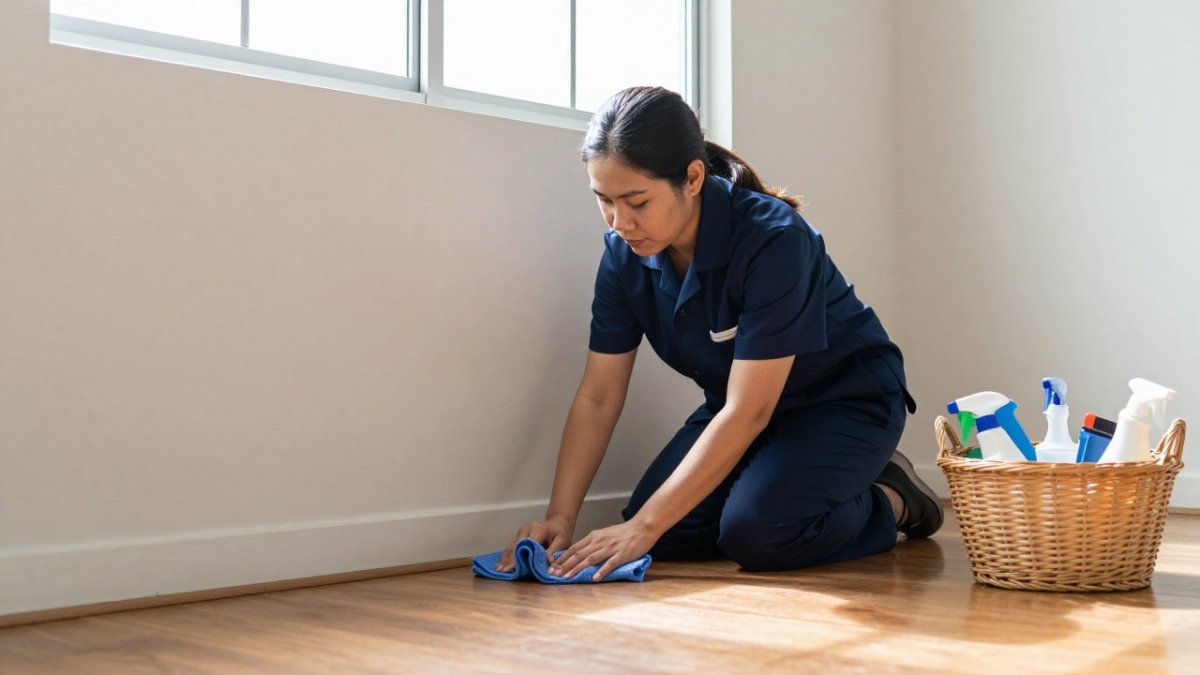
Mats, shoes, a paw-wiping station and a lidded bin for outdoor gear are the priority. A two-mat system (a coarse outdoor mat and an absorbent indoor mat) catches most tracked-in dirt before it reaches the rest of the house. Keep a towel by the door for muddy paws and wash mats weekly.
Bathroom: Damp and Hair
Floors, towels, damp corners and the bath mat are the priority. Hair and damp collect here faster than in any other room. Rinse the bath after use, hang towels to dry and wash bath mats weekly. Watch out: a bath mat left damp on the floor is a common source of odour and mildew, so hang it over the bath edge after every use.
Pet Areas: Bedding, Toys and Litter
Bedding, toys, litter or crate and the floor beneath them are the priority. Wash bedding weekly, wipe hard toys weekly and soft toys on a longer cycle, and scoop litter daily. Keep the litter area away from where toddlers play and wash hands after handling. A common pattern is that odour comes from the floor and bedding beneath the pet, not from the pet itself.
Living Room: Floors, Covers and Toy Storage
Floors, couch covers, toy storage and high-use surfaces are the priority. A quick daily pass on the main walkway and a nightly toy basket reset keep this room feeling calm. Wash throws and covers weekly.
Bedrooms: Sheets, Floors and Dust
Sheets, floors and dust are the priority. Change sheets weekly, vacuum floors and dust surfaces on the same day so dust does not resettle. Keep pets off beds if allergies are a concern.
Spend your limited time where mess actually builds. A quick daily pass in the top three rooms can keep the whole house feeling calmer, and a weekly pass through the rest can stop build-up before it becomes a deep clean.
Getting the Whole Household Involved Without the Arguments
Household rules and family chores work when they are clear, small and matched to age. Kids as young as three can put toys in a basket.
A few rules that reduce friction:
One toy basket per room, emptied nightly
Shoes off at the door, paws wiped at the mat
Everyone clears their own plate and cup
Keep tasks short and specific. "Tidy your room" is vague. "Put books on the shelf and clothes in the basket" gets done. A shared cleaning list on the fridge stops the "nobody told me" problem.
When to Bring in a Professional Cleaning Team
Bring in a professional team when the routine keeps slipping, when a deep clean is due, or when time is short.
Signs it is time to call for help:
The weekly list keeps rolling into the next week
Pet hair and dander are building up in soft furnishings
You are renting and need a spotless handover
If you have pets, it is worth reading tips for hiring cleaners with pets at home before you book. And if you are unsure what a deep clean covers, what is included in a professional deep clean explains the difference between a one-off and regular maintenance.
Our team works around busy households with kids and pets. You can also see the benefits of regular house cleaning if you are weighing up whether a routine service is worth it.
Keeping a home clean with pets and kids is not about perfection. It is about small habits that hold up on the messy days.
Frequently Asked Questions
How often should you clean a home with pets and children?
Daily surface wiping and a quick vacuum keep the worst of it in check, with a deeper clean once a week. High-traffic areas like kitchen benches and entryways need attention every day because pets and kids spread dirt and crumbs fast. Monthly tasks such as washing pet bedding, cleaning behind furniture and wiping skirting boards stop buildup. If anyone in the household has allergies, increase vacuuming to every second day and wash soft furnishings more often.
How do you manage pet hair around children?
Vacuum floors and soft furniture at least twice a week, and brush pets outdoors before they come inside. Washable throws on couches and bench seats catch hair before it reaches the fabric, and a rubber squeegee lifts hair from carpets quickly. Keep a lint roller near the front door for school uniforms. Teaching kids to put toys away after play also stops hair collecting in clutter, which makes the next clean much faster.
What cleaning products are safe to use around pets and children?
Look for products labelled as low-toxicity and check the label for warnings about use around animals. Vinegar, bicarb soda and castile soap handle most everyday messes safely when used as directed. Avoid bleach and ammonia-based cleaners on surfaces pets lick or walk on, and keep all products stored in a locked cupboard. Always follow the dilution instructions, ventilate the room, and let surfaces dry before children or pets return.
How do you keep floors clean when children and pets are indoors all day?
Put a mat at every external door and wipe muddy paws before they cross the threshold. Vacuum or sweep the main living areas once a day, and mop hard floors two to three times a week. A cordless vacuum kept in a cupboard makes quick cleanups easy. Washable floor mats near pet bowls and doors catch the worst of the dirt, and they can go straight into the washing machine.
Comments